
In recent years, law enforcement agencies across the country have increasingly turned to unmanned aerial vehicles (UAVs) to support their missions. To effectively harness this technology, law enforcement drone training has become essential. This article explores the importance of comprehensive training programs for public safety personnel, the role of the Federal Aviation Administration's regulations, and how agencies can implement successful unmanned aircraft system (UAS) operations.
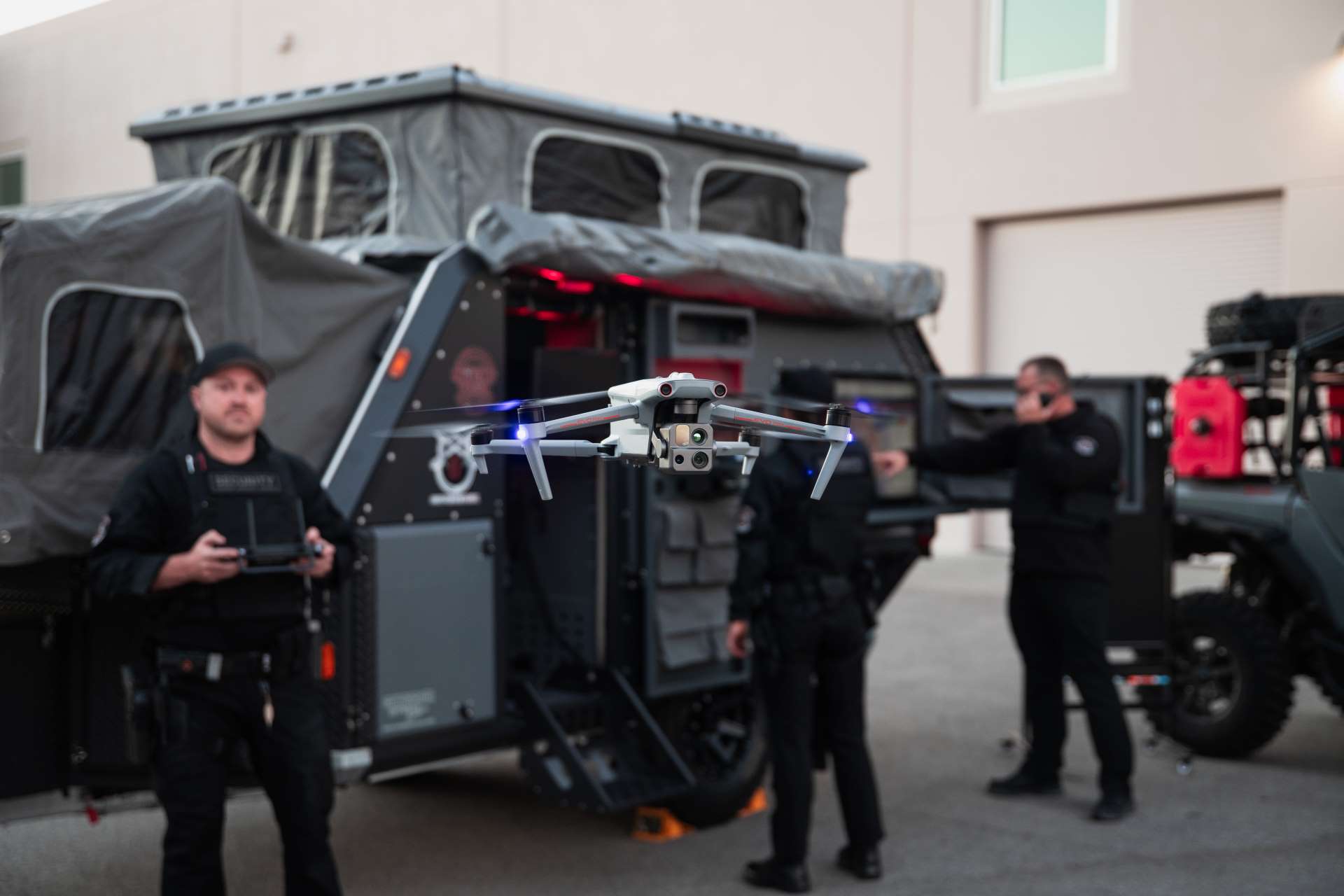
Train Your Team for Mission Success:
From foundational basics to complex tactical scenarios, C6 training is designed to develop mission-ready drone pilots. Our curriculum, crafted by active pilots with thousands of hours of public safety mission experience, combines practical operational knowledge with rigorous standards. Through strategic partnerships with leading manufacturers, students gain hands-on experience using the most advanced enterprise-level drone platforms available. Increasingly, law enforcement agencies and police departments are adopting drone technology to improve operational efficiency, enhance officer safety, and support contemporary policing efforts.
Customized Training Programs:
C6 creates customized drone training programs tailored to the specific operational demands, mission objectives, and tactical needs of each agency, ensuring training is highly relevant and immediately applicable. Our courses equip officers and first responders with the skills to effectively deploy police and law enforcement drones for patrol duties, search and rescue missions, and incident response scenarios.
Online Drone Training:
C6 provides extensive online training modules featuring interactive lessons, virtual simulations, and expert-led instruction. This flexible and efficient format enables personnel to develop essential drone operation skills remotely. The curriculum includes training on camera usage, thermal imaging sensors, control systems, FAA regulations, visual line of sight requirements, and autonomous drone operations.
Our Instructors Are:
- FAA Part 107 Licensed Pilots
- Subject Matter Experts in real-world public safety operations in Law Enforcement, Fire, Search and Rescue, Protective Services, and Disaster Recovery
- Experienced Instructors with 1000s of hours of flight time
- Have experience with a variety of UAS platforms
The Importance of Law Enforcement Drone Training
Law enforcement drone training is critical for public safety agencies seeking to integrate small unmanned aerial systems into their operations. These training courses provide public safety personnel with the knowledge and skills necessary to operate unmanned aircraft safely and effectively. By participating in a structured training program, officers can gain an understanding of UAS technology, FAA regulations, and best practices for deploying drones during various missions.
Proper training ensures that operators are well-prepared to manage the capabilities and limitations of small unmanned aircraft. This preparation enhances the safety of both the officers and the public, reducing risks associated with drone operations. Moreover, trained pilots can maximize the tactical advantages that drone technology offers to law enforcement, such as aerial surveillance, search and rescue, and crime scene analysis.
Understanding UAS Operations and FAA Regulations
A key component of law enforcement drone training involves familiarizing participants with the Federal Aviation Administration's (FAA) regulations governing unmanned aircraft. Compliance with FAA Part 107 rules is mandatory for any public safety agency operating small unmanned aerial systems. These regulations cover critical areas such as pilot certification, operational limitations, and authorization requirements.
Training courses typically include instruction on how to obtain a remote pilot certificate, which is essential for legally operating a small UAS. This certification process tests the applicant's knowledge of airspace classifications, weather effects, emergency procedures, and other factors vital to safe drone operations. By completing an FAA-approved training course, law enforcement personnel become eligible to participate in authorized drone missions under the FAA's guidelines.
Understanding these regulations also helps agencies create a drone program that aligns with federal requirements while addressing local policies and mission objectives. This ensures that operations are conducted responsibly, minimizing legal and safety risks.
Components of an Effective Law Enforcement Drone Training Course
An effective law enforcement drone training course combines both theoretical and practical elements to provide comprehensive education. Many programs offer an online course component, allowing participants to learn foundational knowledge about UAS technology, FAA regulations, and operational procedures at their own pace. This online curriculum covers topics such as flight planning, airspace rules, and risk management.
Complementing the online course, hands-on training is essential to develop piloting skills. Outdoor flights with small UAS enable students to practice maneuvering the drone, executing tactical maneuvers, and responding to real-world scenarios. This hands-on course experience builds confidence and proficiency, ensuring that operators can safely and effectively execute missions.
Training also addresses the specific needs of law enforcement tactical teams and first responders, focusing on mission-specific applications of drone technology. Participants learn how to integrate drones into public safety operations, coordinate with other units, and utilize drone capabilities to enhance situational awareness.
Implementing a Successful Drone Program in Public Safety Agencies
For public safety agencies looking to create or expand a drone program, establishing a well-structured training curriculum is a foundational step. Agencies should seek training providers that offer courses tailored to law enforcement needs, combining FAA regulatory education with practical flight experience.
In addition to training, agencies must develop standard operating procedures and safety protocols to guide UAS operations. These procedures help ensure consistency, compliance, and risk mitigation during drone missions. Support and assistance from experienced operators and training organizations can facilitate the implementation of effective drone programs.
By investing in comprehensive law enforcement drone training, agencies empower their personnel with the tools and knowledge to operate unmanned aircraft responsibly. This investment not only enhances the safety and effectiveness of public safety missions but also fosters community trust through transparent and regulated drone use.
Conclusion
Law enforcement drone training is an indispensable component of modern public safety operations. By educating and certifying public safety personnel in UAS technology and FAA regulations, agencies can safely integrate drones into their missions. Combining online coursework with hands-on training ensures that operators develop the necessary piloting skills and knowledge to maximize the benefits of small, unmanned aircraft.
As drone technology continues to evolve, ongoing training and support will remain vital to maintaining safe and effective UAS operations within law enforcement. Agencies that prioritize comprehensive training and regulatory compliance will be well-positioned to leverage drone capabilities for enhanced public safety outcomes.